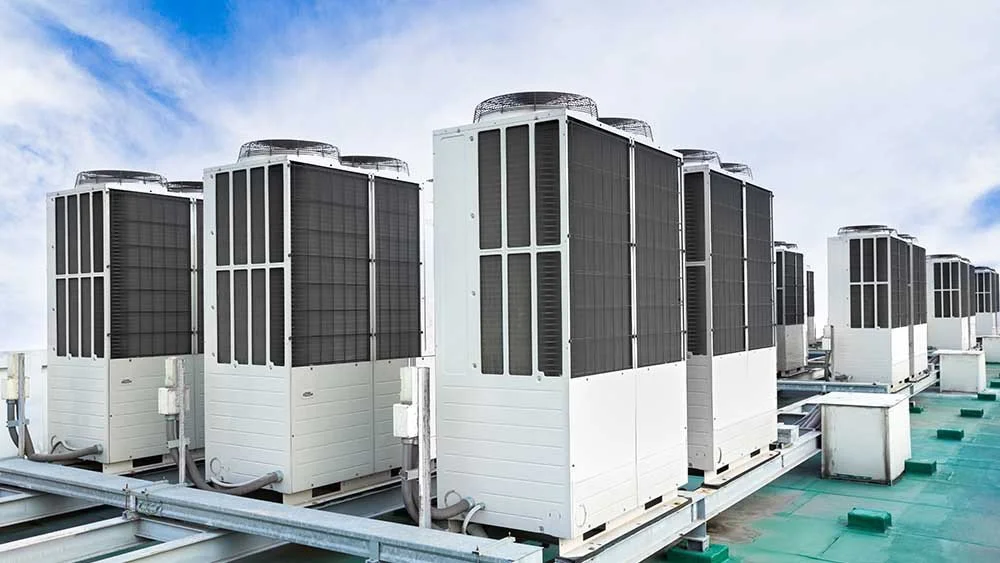
How to Assess Your Energy Footprint and HVAC Efficiency
Energy efficiency is central to managing operating costs. Your facility’s energy footprint is also a useful component of sustainability performance that can be tracked and reported as a metric of operational efficiency. In order to maximize the benefits of a smart energy footprint, you can start with an HVAC efficiency survey to start planning for capital improvements and lower operating costs. This article will guide you on how to assess your energy footprint and HVAC performance. Read more at THERMA >>
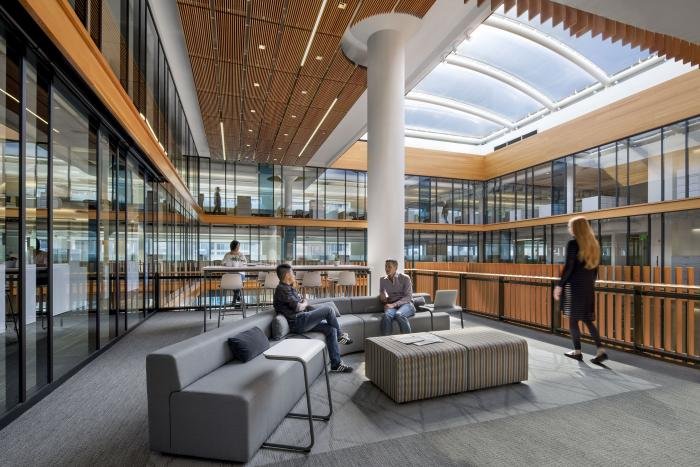
Benefits of Creating a Sustainable Office Building
Creating a sustainable office can contribute to energy savings, employee wellness, and improved productivity. Advancements in green building and eco-friendly products have made it more feasible for business owners to create sustainable offices and harness the triple-bottom-line benefits. Read more at THERMA >>
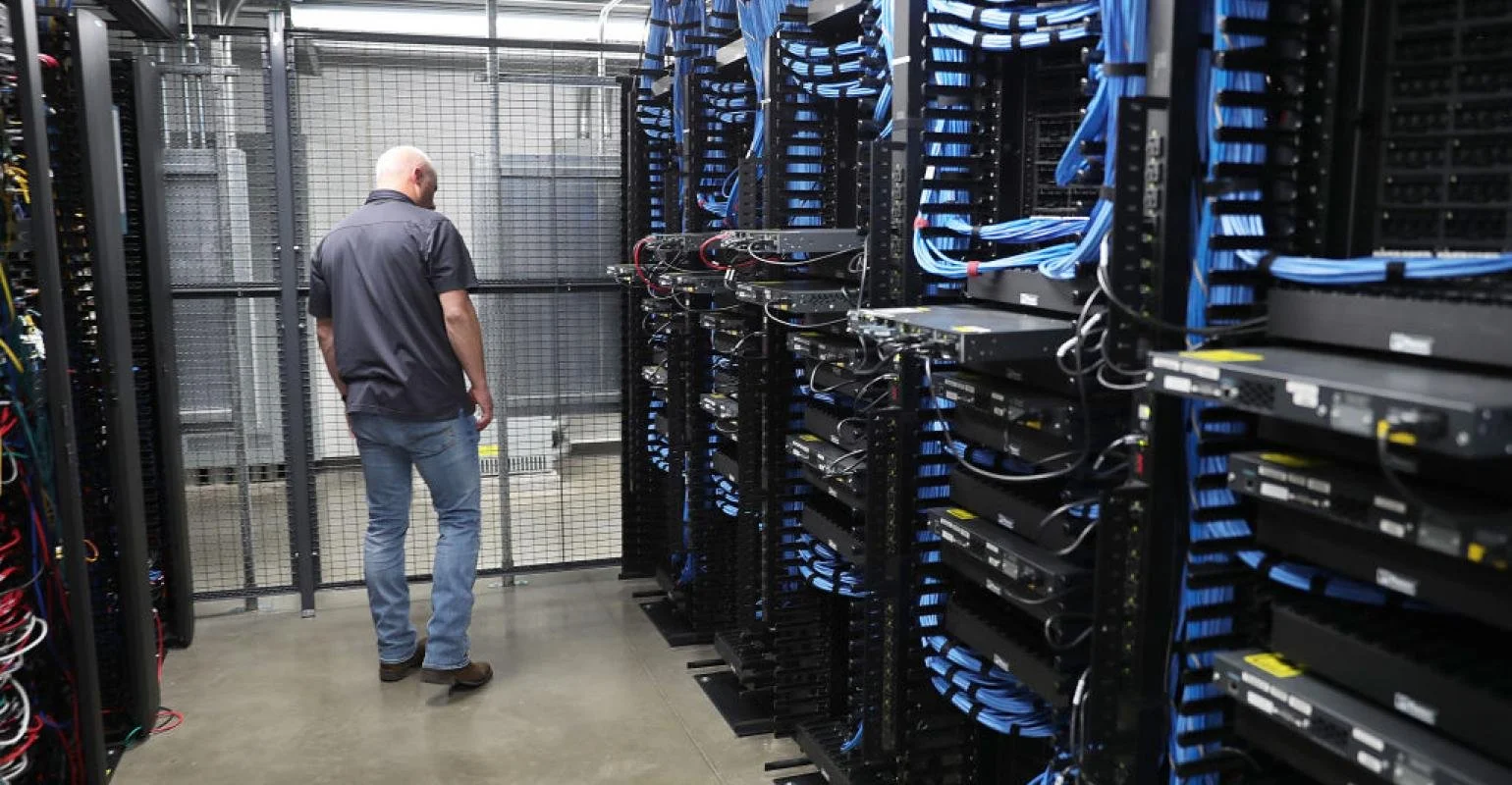
Understanding Environmental Conditions for Data Center Cooling
Data centers are superhighways of technology and information that support business operations. These centers are designed with precision and intention, to protect equipment, devices and connections that have little tolerance for fluctuations in environmental conditions. This article looks at how to manage data center cooling to maintain the efficiency and functionality of your capital investment. Read more at THERMA >>

Why Solar Powered HVAC is an Energy Smart Choice
What are the benefits of solar powered HVAC systems? Traditional fuel sources and utility grids can be vulnerable to numerous disruptions including supply, capacity and even international conflicts. The ability to harness renewable energy for heating and cooling provides a wide range of benefits that allow for stable energy supply, cost savings and financial incentives. Read more at THERMA >>
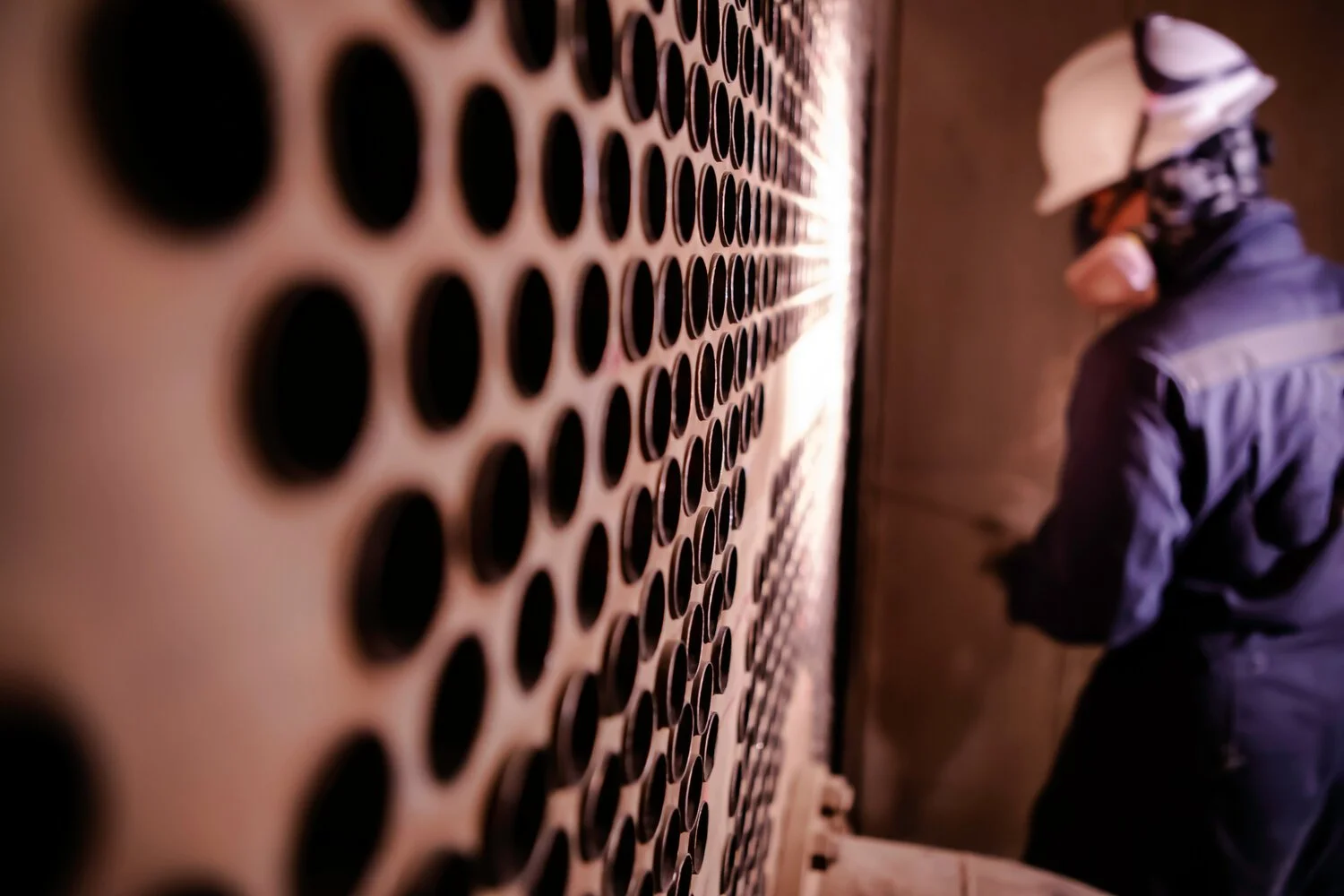
How Eddy Current Testing Improves Equipment Performance
Material integrity is essential to structural and mechanical processes. Eddy current testing (ECT) is a valuable inspection method that can help identify flaws, tolerances, thickness and compositions of materials and coatings. Read more at THERMA >>
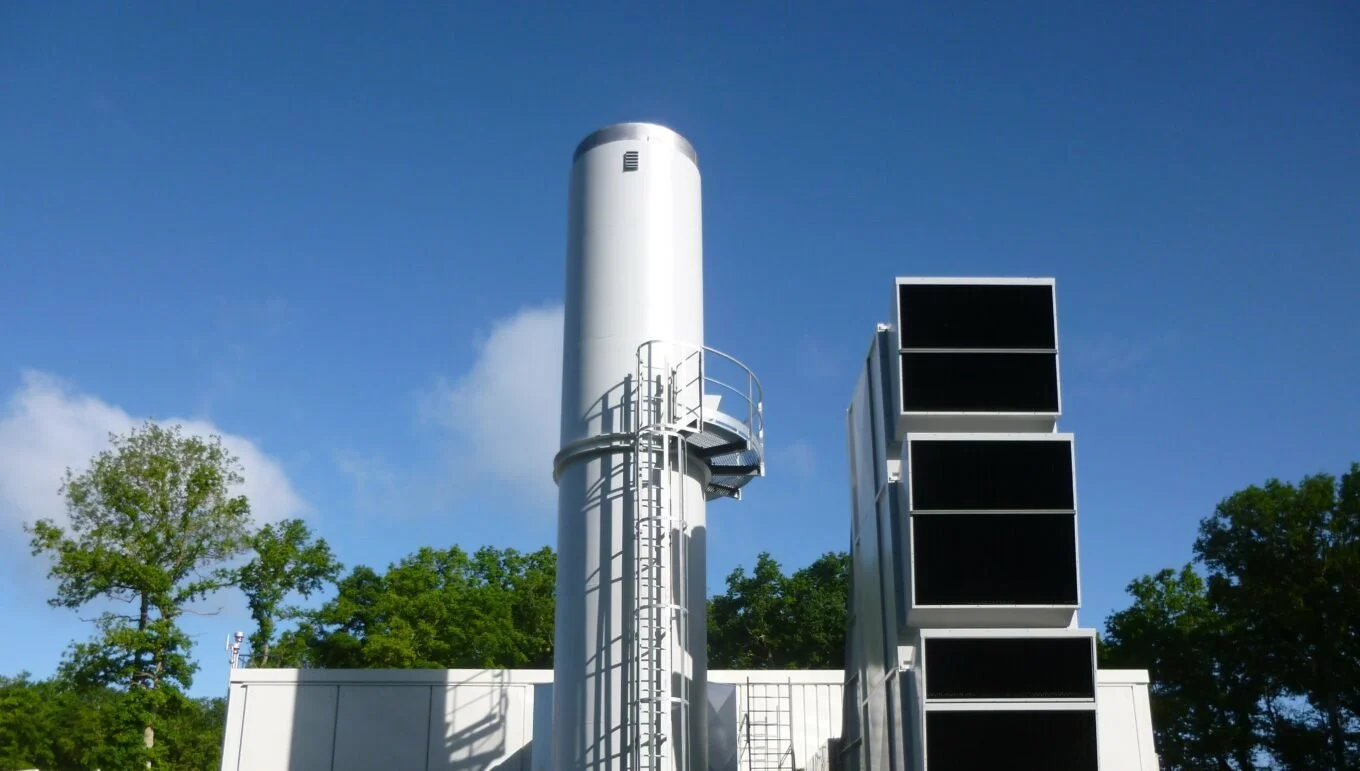
What is EPA Certification: Why Your Facility Should Be Certified
The EPA manages certification programs that provide guidance to facilities whose activities may affect the environment, such as chemical processing or hazardous waste. These programs provide a way for companies to demonstrate compliance with environmental laws and regulations and mitigate risks related to operational activities. Read more at THERMA >>
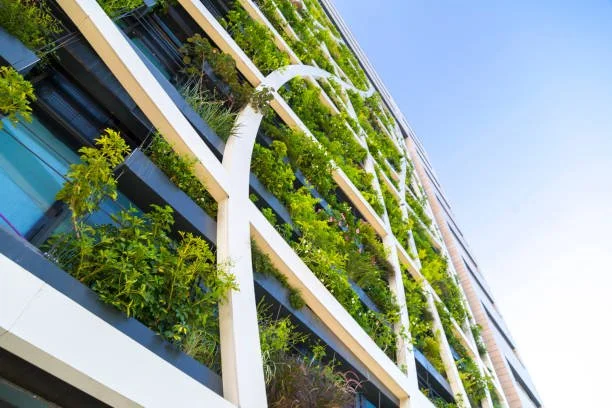
Ways to Optimize Your Building Performance for Summer
Energy efficiency and thermal comfort are top priorities for building owners who aim to streamline overhead costs and provide useful, productive spaces. In geographic locations that experience high temperatures and solar exposure, either seasonally or year round, a focus on building performance strategies can help create savings and other benefits. Read more at THERMA >>
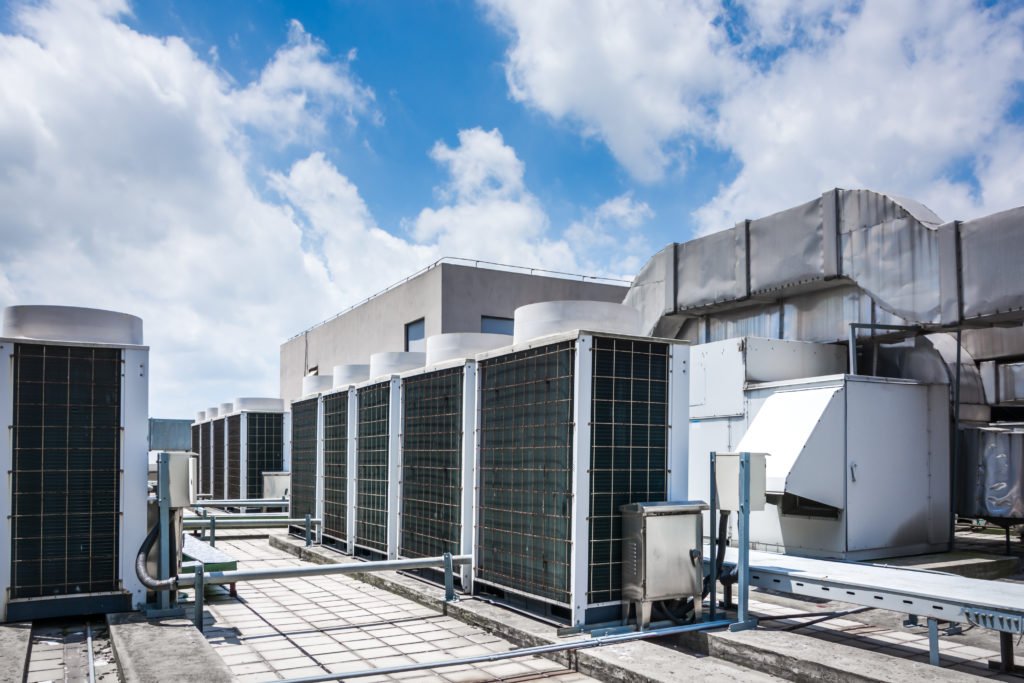
How to Improve HVAC Efficiency with SEER Rating
The efficiency of your central cooling system plays a role in occupant comfort, operating costs and can be a factor in alleviating wider climate issues such as urban island heat effect and climate change. While it may seem daunting to understand how your system works, the Seasonal Energy Efficiency Ratio (SEER) rating offers a tool to help you navigate HVAC performance. Read more at THERMA >>

A Guide to MERV Ratings for Better Building IAQ
There are many types of air purification systems available to homeowners and commercial facilities, and understanding the effectiveness of each may seem overwhelming. Fortunately there is a measure that helps quantify how air purification filters perform. The Environmental Protection Agency (EPA) established minimum efficiency reporting values, or MERVs, that rate a filter’s ability to capture particles between 0.3 and 10 microns. This value can help you determine the right type of filter for your building. Read more at THERMA >>

How Healthcare Facilities Benefit from Interstitial Space Building Design
Healthcare facilities have faced considerable challenges in the past year, among them changing facility program requirements. Adaptable and healthy facility design has become an operational advantage. Designing with interstitial space is one of the best strategies to prepare your facility for future challenges. Read more at THERMA >>
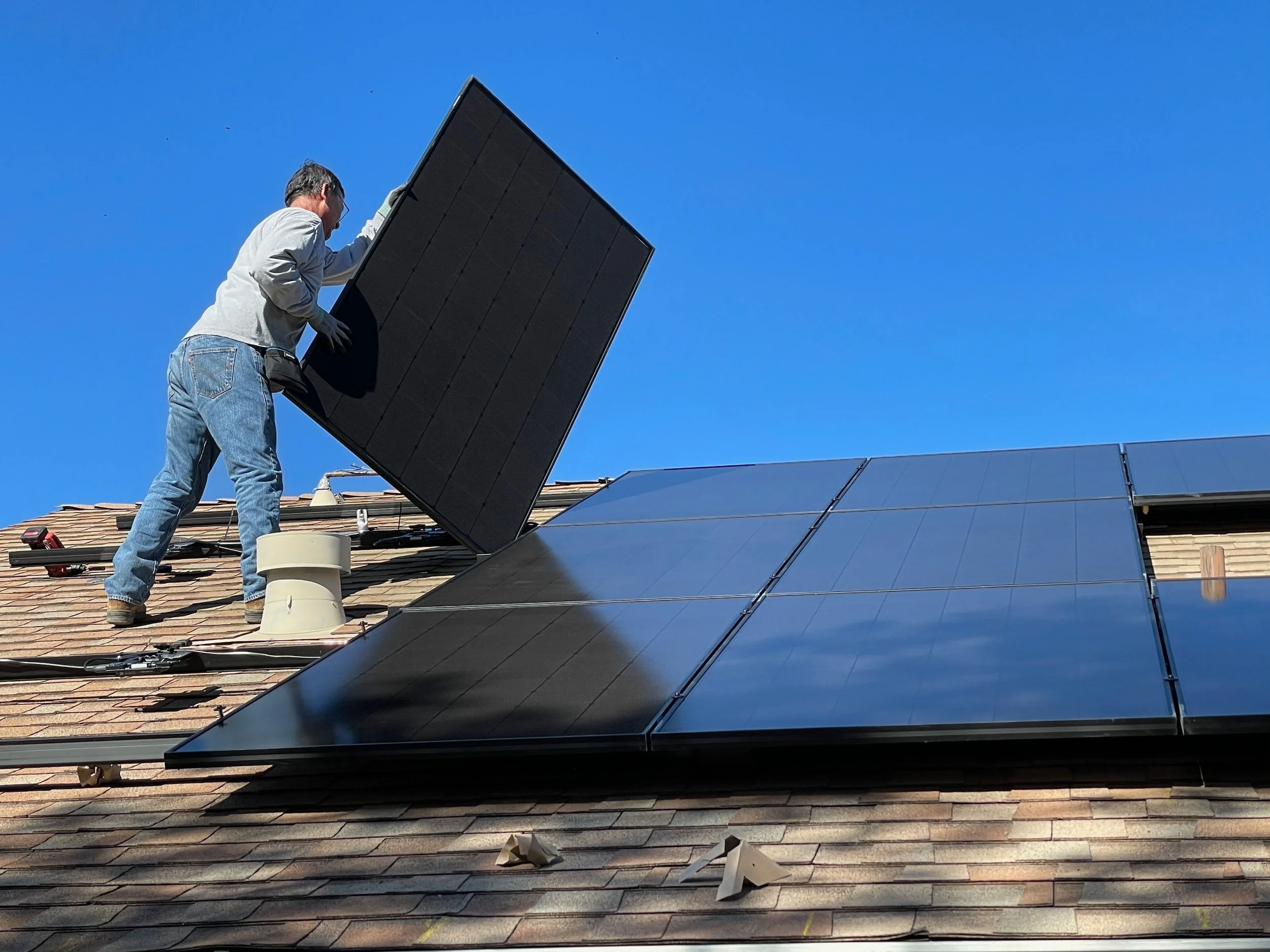
Types of Solar Panels: Understanding Which is Right For You
The market-driven demand for renewable energy has pushed solar photovoltaic (PV) forward into an era of tremendous market growth. This has led to innovations in the types of solar panels available and made the adoption of solar energy a feasible investment across residential and commercial sectors. This article looks at the different types of solar panels on the market today to help determine which is right for your facility. Read more at THERMA >>
Understanding HSPF Ratings and Heat Pump Efficiency
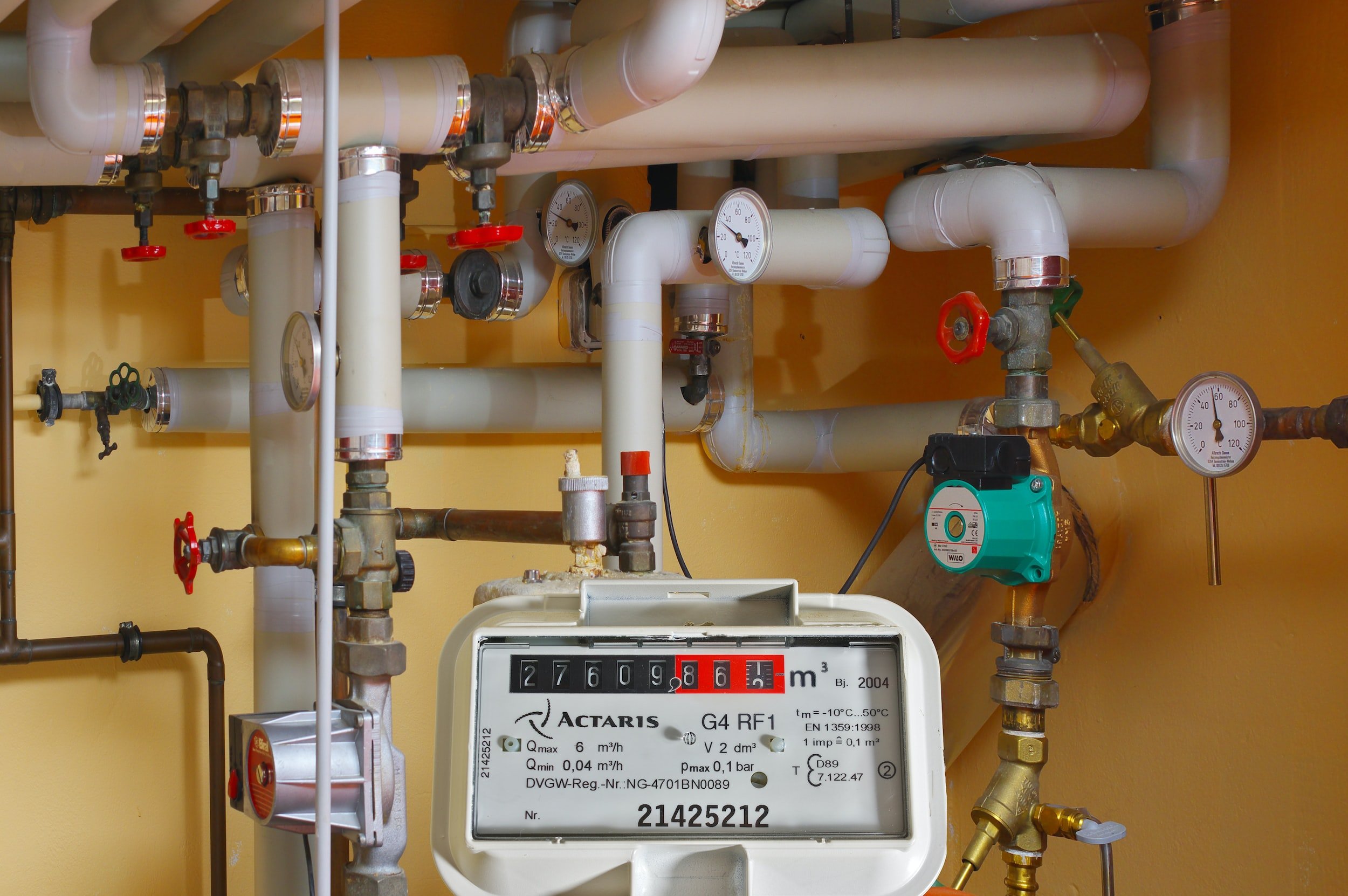
Heat pumps are simple, effective devices that help us transform spaces into comfortable places to work and live by transferring thermal energy. Air conditioners, geothermal HVAC systems and heated swimming pools all rely on heat pumps. Understanding the energy efficiency of your heat pump and its Heating Seasonal Performance Factor (HSPF) can help you find energy savings. Read more at THERMA >>
Smart Circuit Breakers: What Are They and Why You Should Use Them
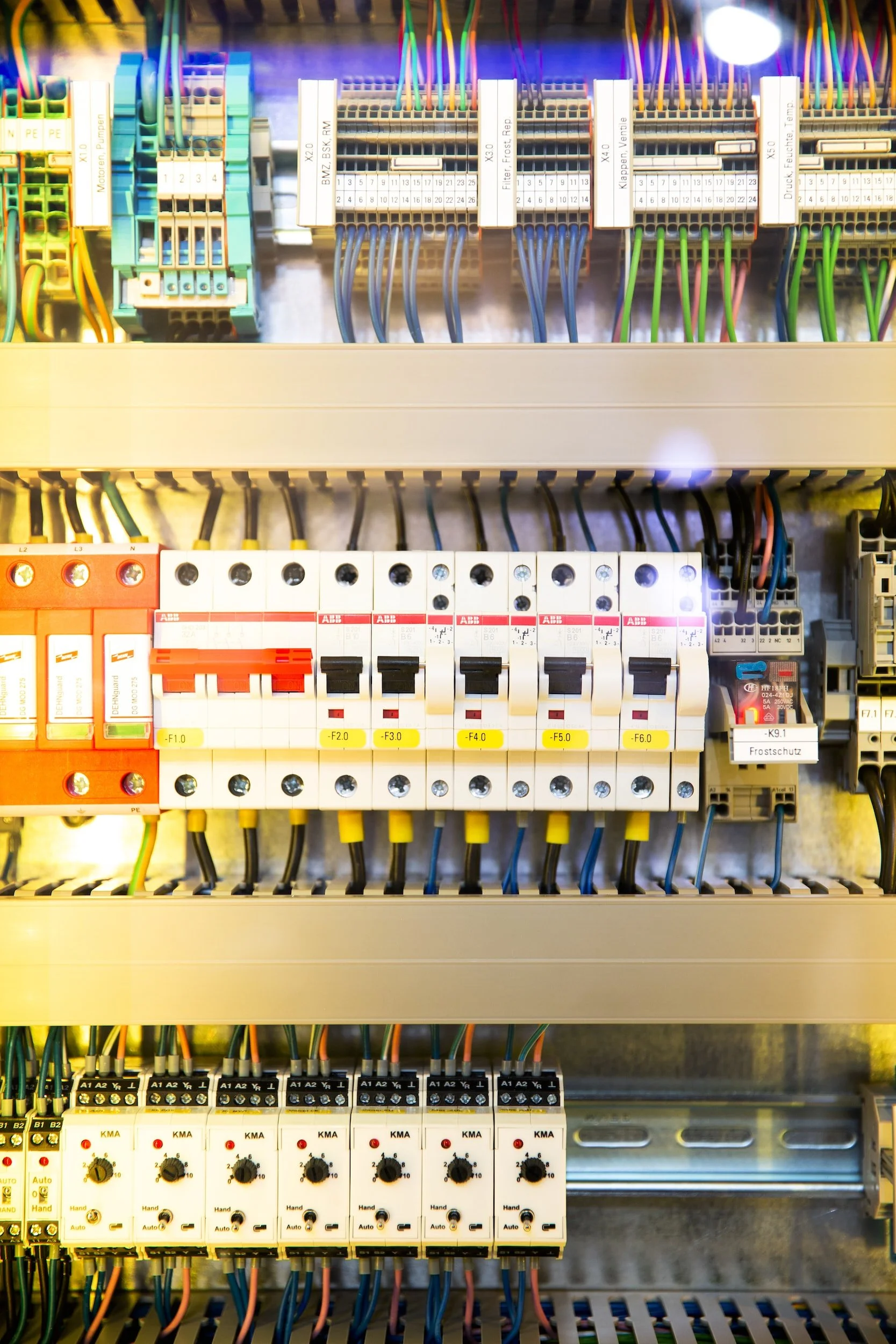
The Internet of Things (IoT) is part of everyday life at home and in commercial settings. Connected devices such as smartphones, environmental sensors and building monitoring technology have made internet connectivity a valuable resource. Smart circuit breakers are an option for facility managers to collect information on circuits and electrical equipment and receive data through the internet. Here’s what building managers need to know when considering adding smart circuit breakers to building systems. Read more at THERMA >>

How DCIM Drives Operational Efficiency
Information management drives business operations. Today’s world depends on reliable, accessible and secure information in-house and online. Data centers provide these services and Data Center Infrastructure Management (DCIM) encompasses IT best practice standards, long-term energy planning and resiliency preparedness. This article looks at the intricacies and requirements of DCIM, common issues and how to create a strategy towards efficient operations. Read more at THERMA >>
The Role of BREEAM Certification in Construction and Development
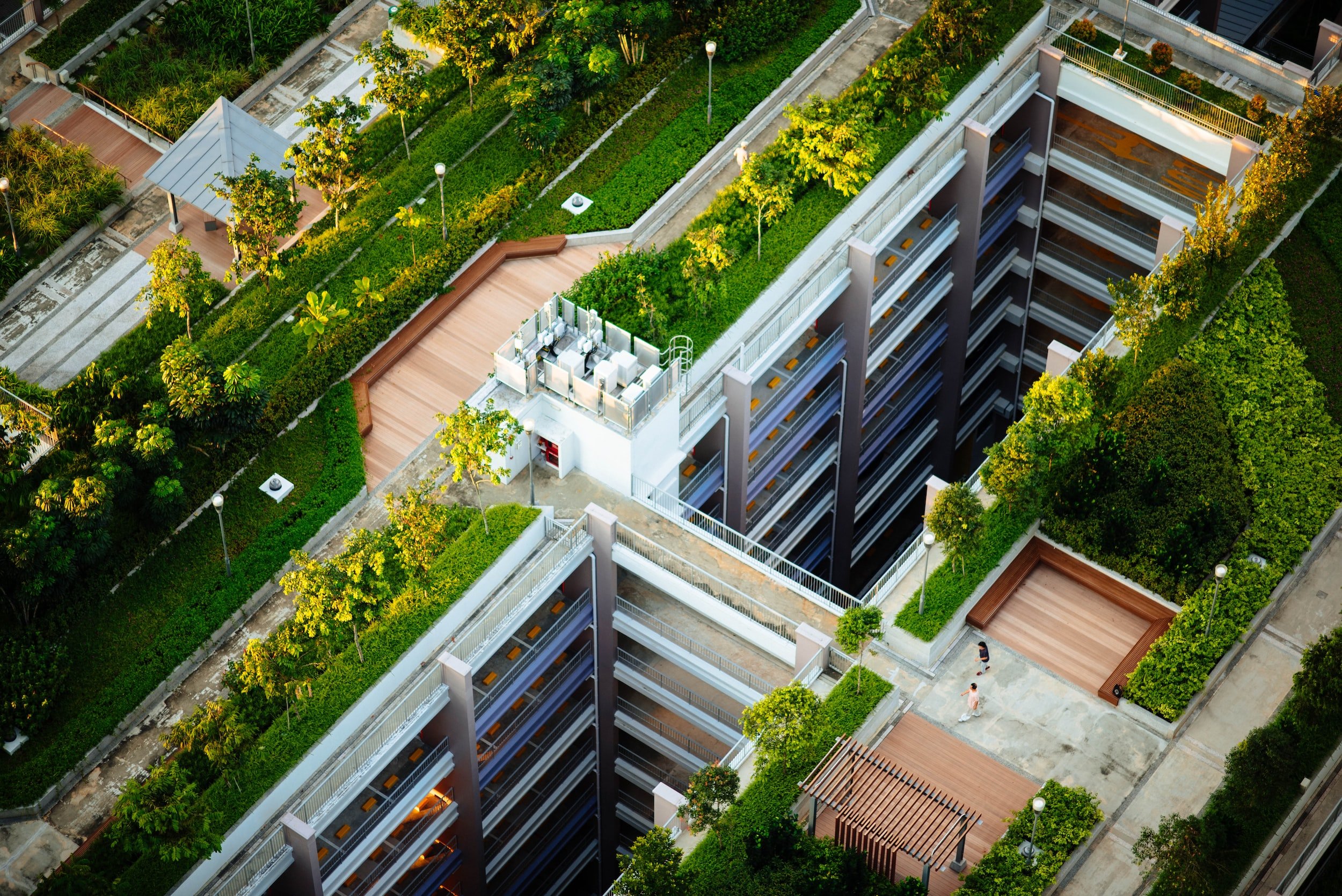
Sustainability goals are a part of everyday commerce, governmental policies, and personal lifestyle choices. Eco-labels and certification schemes help create tools for consumers and businesses to navigate the complexities of social, environmental, and economic sustainability performance. BREEAM certification provides a trusted measure of sustainability assessment for master planning projects, infrastructure, and buildings. Read more at THERMA >>
Tate Modern's Energy Efficient Redesign by Herzog & de Meuron
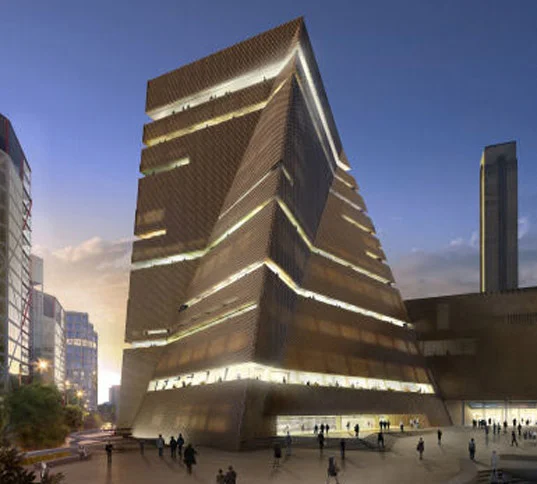
Herzog & de Meuron set about designing the Tate Modern Extension in 2006 with a modern, glass-filled aesthetic that contrasted the museum building’s origins as a former power station. A recently unveiled redesign of the addition has brought a pyramid shaped brick structure to this anchor point of the museum. The new program not only fits the museum’s needs better, it is poised to set a new standard for sustainability in the UK.
The 2008 redesign uses industrial features from the old power station as a base for the addition, mainly old oil tanks which will become unique gallery spaces. The brick scheme also allows for a more consistent aesthetic between the old building and the extension. The changes reflect a more integrated appearance, but will also allow a significant reduction in energy use.
Herzog & de Meuron’s new design for the Tate Modern Extension will bring about a 40% savings in energy and cut carbon emissions by 35% more than regulated standards. The efficiency will be a result of heat recapture systems and passive design principles.
The project is slated for completion by 2012, with £70 million in funding in place from the government, London Development Agency and private donations.
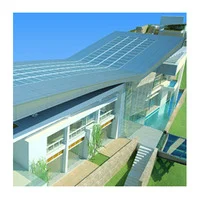
Modern Eco Villa for Southern Spain by Diseño Earle
Diseño Earle is an international architecture firm known for unique, and often ecologically minded, projects around the world. Their latest design responds to a brief “to design and build a large and modern zero carbon footprint villa” in Southern Spain. The result is The Eco House, a modern luxury villa that holds up its name with a variety of environmentally friendly features including a chemical free canal that facilitates cooling....read more at Inhabitat

Shipping Container Playground by Phooey Architects
This children’s playground made from recycled shipping containers takes the cake for one of the most imaginative examples of shipping container architecture we’ve seen. Known as the Skinners Playground, this kidscape puts four discarded shipping containers to use as the primary spaces for childhood adventures. Designed by Phooey Architects, the children’s activity center reconfigures the containers into a fun-filled park for the young imagination....read more at Inhabitat

Coal Fired Power Plant turned "Eco-dome" in London
There is nothing quite like a creative redux on a post industrial site. When done right, innovative reuse and repurposing of obsolete structures can set some pretty amazing examples for a sustainable future. One such model conversion is taking root in the newly unveiled plan for Battersea Power Station in London. Once a coal-fired electric plant (and defunct for near 25 years), this industrial icon is getting a 21st century makeover...read more at Inhabitat

NO MAN’S LAND: Innovative Watertecture in the Dead Sea
In the Dead Sea region, control of water is a source of political friction and presents an ecological quandary that threatens the drinking supply for inhabitants. A research project from New York-based architect Phu Hoang Office seeks to address and solve these site specific issues with ‘No Man’s Land’, a series of artificial islands that would provide recreation, tourist attractions, renewable energy, and create fresh water...read more at Inhabitat