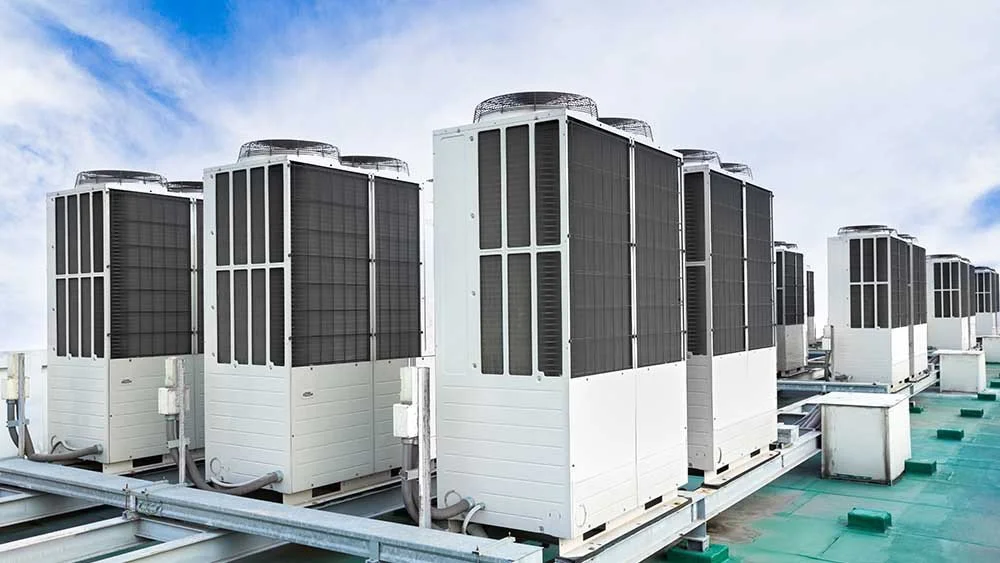
How to Assess Your Energy Footprint and HVAC Efficiency
Energy efficiency is central to managing operating costs. Your facility’s energy footprint is also a useful component of sustainability performance that can be tracked and reported as a metric of operational efficiency. In order to maximize the benefits of a smart energy footprint, you can start with an HVAC efficiency survey to start planning for capital improvements and lower operating costs. This article will guide you on how to assess your energy footprint and HVAC performance. Read more at THERMA >>

What California's Renewable Energy Goals Mean for Business
California’s ambitions for decarbonization present opportunities for business owners to improve energy performance across their facilities. The collective measures to track and reduce energy usage can be used by businesses, and homeowners, to survey energy efficiency and implement cost-effective strategies for energy and cost savings. California’s focus on renewable energy also presents ways to create savings on upfront investments. In this article, we’ll take a look at California’s initiatives and how to utilize its tools and incentives. Read more at THERMA >>

Benefits of Creating a Sustainable Office Building
Creating a sustainable office can contribute to energy savings, employee wellness, and improved productivity. Advancements in green building and eco-friendly products have made it more feasible for business owners to create sustainable offices and harness the triple-bottom-line benefits. Read more at THERMA >>
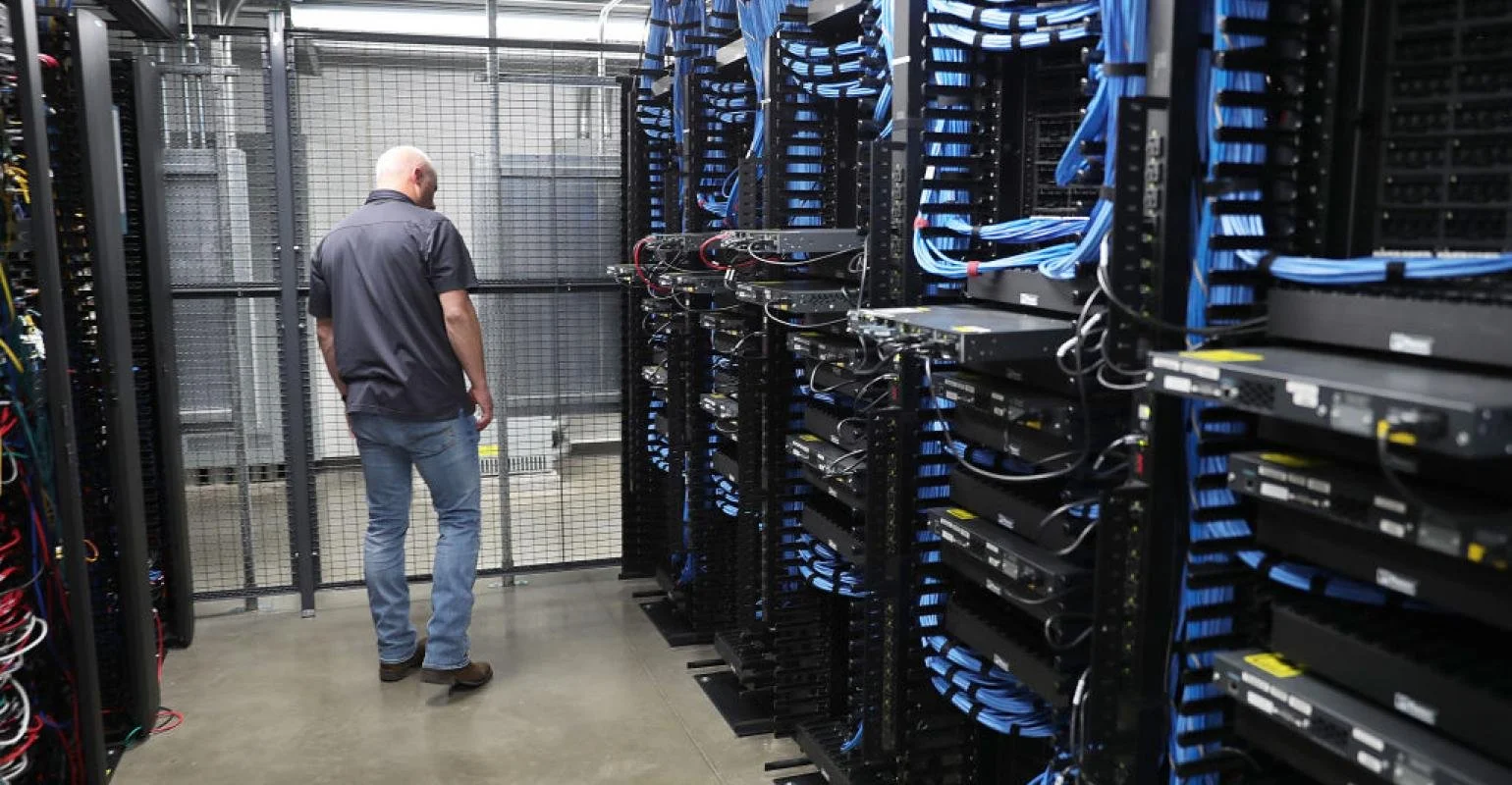
Understanding Environmental Conditions for Data Center Cooling
Data centers are superhighways of technology and information that support business operations. These centers are designed with precision and intention, to protect equipment, devices and connections that have little tolerance for fluctuations in environmental conditions. This article looks at how to manage data center cooling to maintain the efficiency and functionality of your capital investment. Read more at THERMA >>
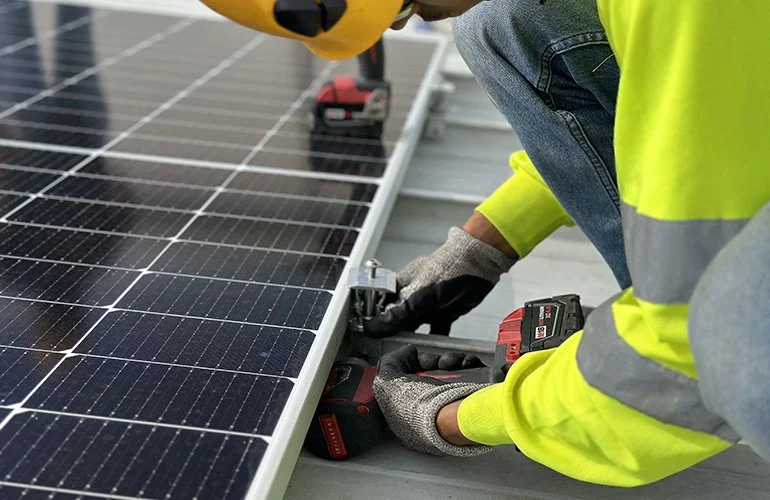
Why Solar Powered HVAC is an Energy Smart Choice
What are the benefits of solar powered HVAC systems? Traditional fuel sources and utility grids can be vulnerable to numerous disruptions including supply, capacity and even international conflicts. The ability to harness renewable energy for heating and cooling provides a wide range of benefits that allow for stable energy supply, cost savings and financial incentives. Read more at THERMA >>
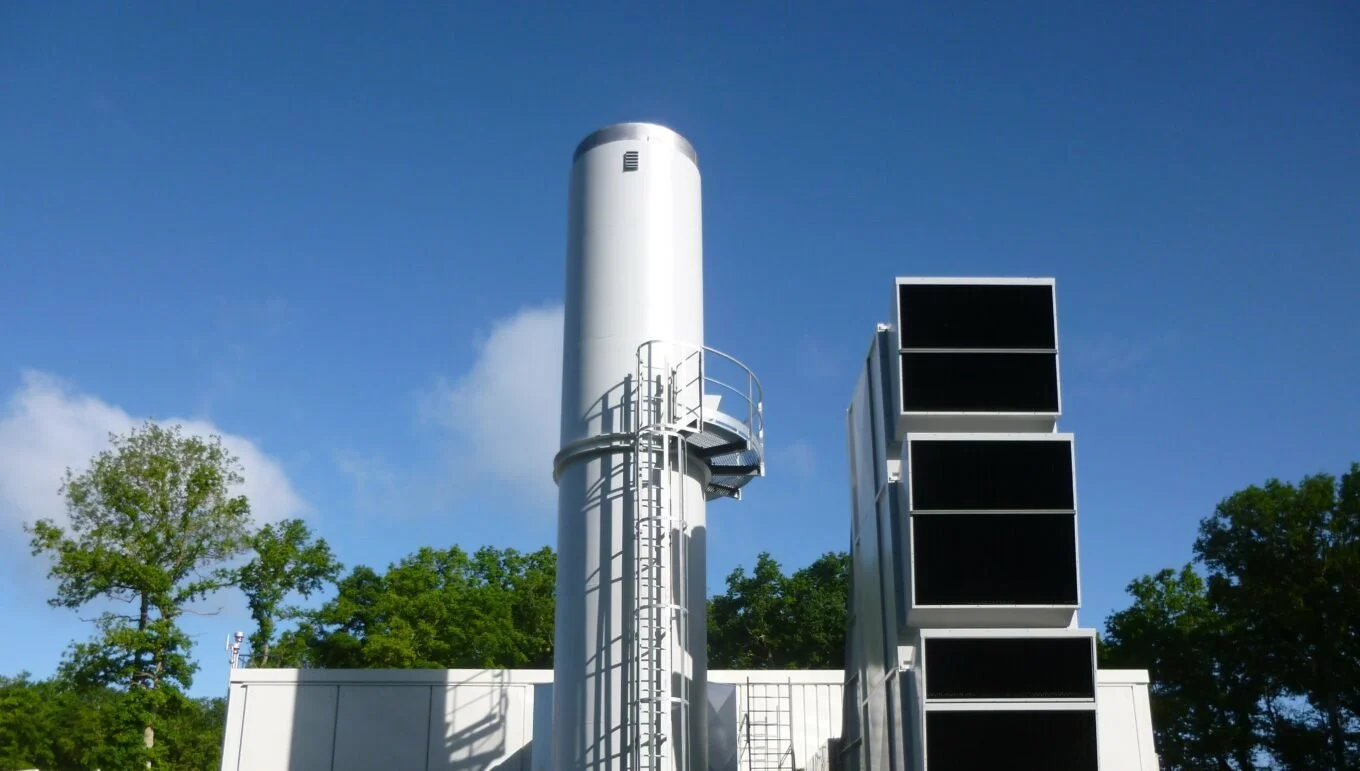
What is EPA Certification: Why Your Facility Should Be Certified
The EPA manages certification programs that provide guidance to facilities whose activities may affect the environment, such as chemical processing or hazardous waste. These programs provide a way for companies to demonstrate compliance with environmental laws and regulations and mitigate risks related to operational activities. Read more at THERMA >>

Ways to Optimize Your Building Performance for Summer
Energy efficiency and thermal comfort are top priorities for building owners who aim to streamline overhead costs and provide useful, productive spaces. In geographic locations that experience high temperatures and solar exposure, either seasonally or year round, a focus on building performance strategies can help create savings and other benefits. Read more at THERMA >>

A Guide to MERV Ratings for Better Building IAQ
There are many types of air purification systems available to homeowners and commercial facilities, and understanding the effectiveness of each may seem overwhelming. Fortunately there is a measure that helps quantify how air purification filters perform. The Environmental Protection Agency (EPA) established minimum efficiency reporting values, or MERVs, that rate a filter’s ability to capture particles between 0.3 and 10 microns. This value can help you determine the right type of filter for your building. Read more at THERMA >>

How Healthcare Facilities Benefit from Interstitial Space Building Design
Healthcare facilities have faced considerable challenges in the past year, among them changing facility program requirements. Adaptable and healthy facility design has become an operational advantage. Designing with interstitial space is one of the best strategies to prepare your facility for future challenges. Read more at THERMA >>
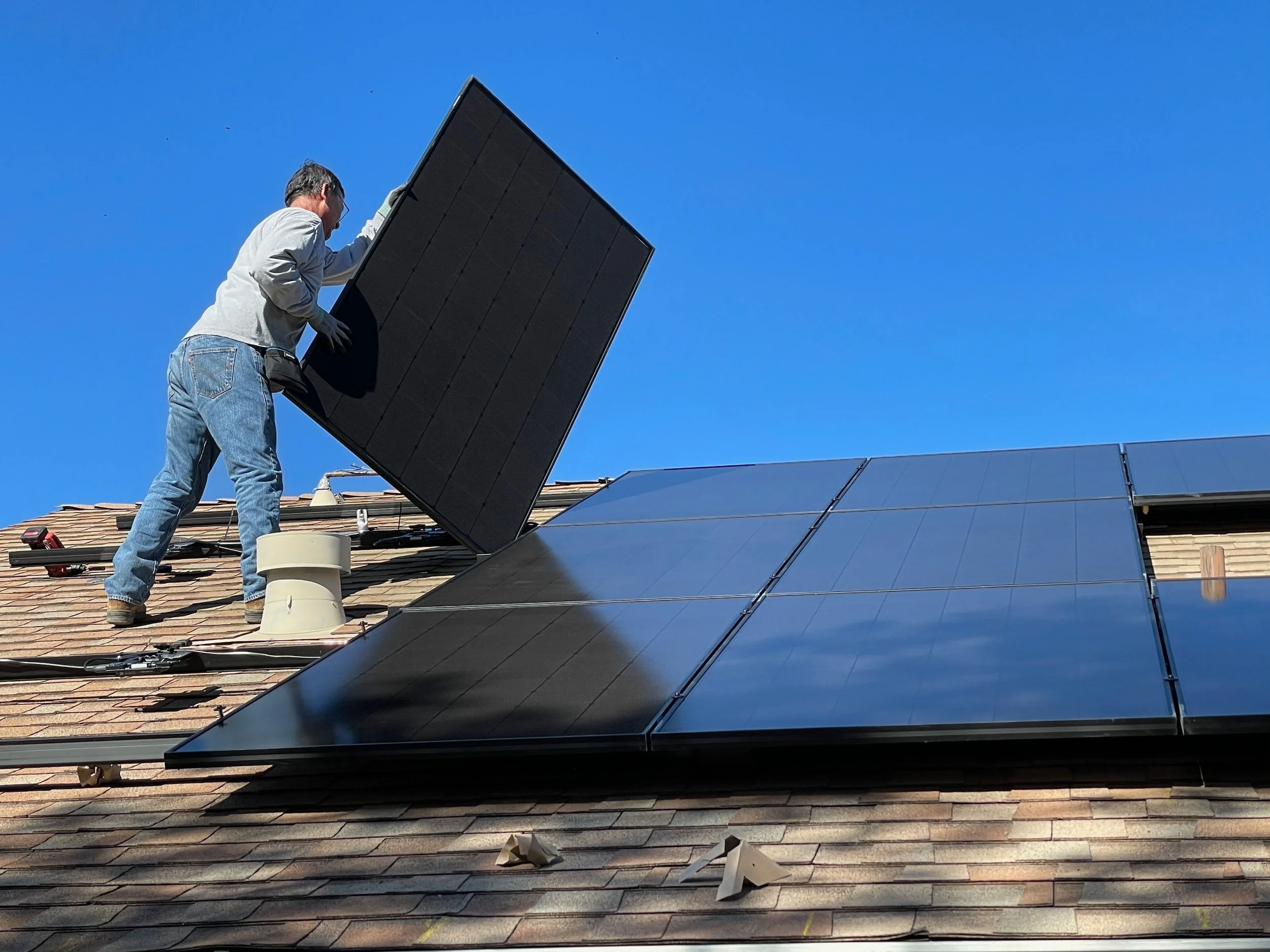
Types of Solar Panels: Understanding Which is Right For You
The market-driven demand for renewable energy has pushed solar photovoltaic (PV) forward into an era of tremendous market growth. This has led to innovations in the types of solar panels available and made the adoption of solar energy a feasible investment across residential and commercial sectors. This article looks at the different types of solar panels on the market today to help determine which is right for your facility. Read more at THERMA >>

What is ESG and Why Is It Important For Your Business?
Environmental, Social, and Governance (ESG) has become understood as a useful framework to demonstrate best business practices. In this article, we’ll take a look at what ESG is, why it is important, and how it can strengthen your business. Read more at THERMA >>
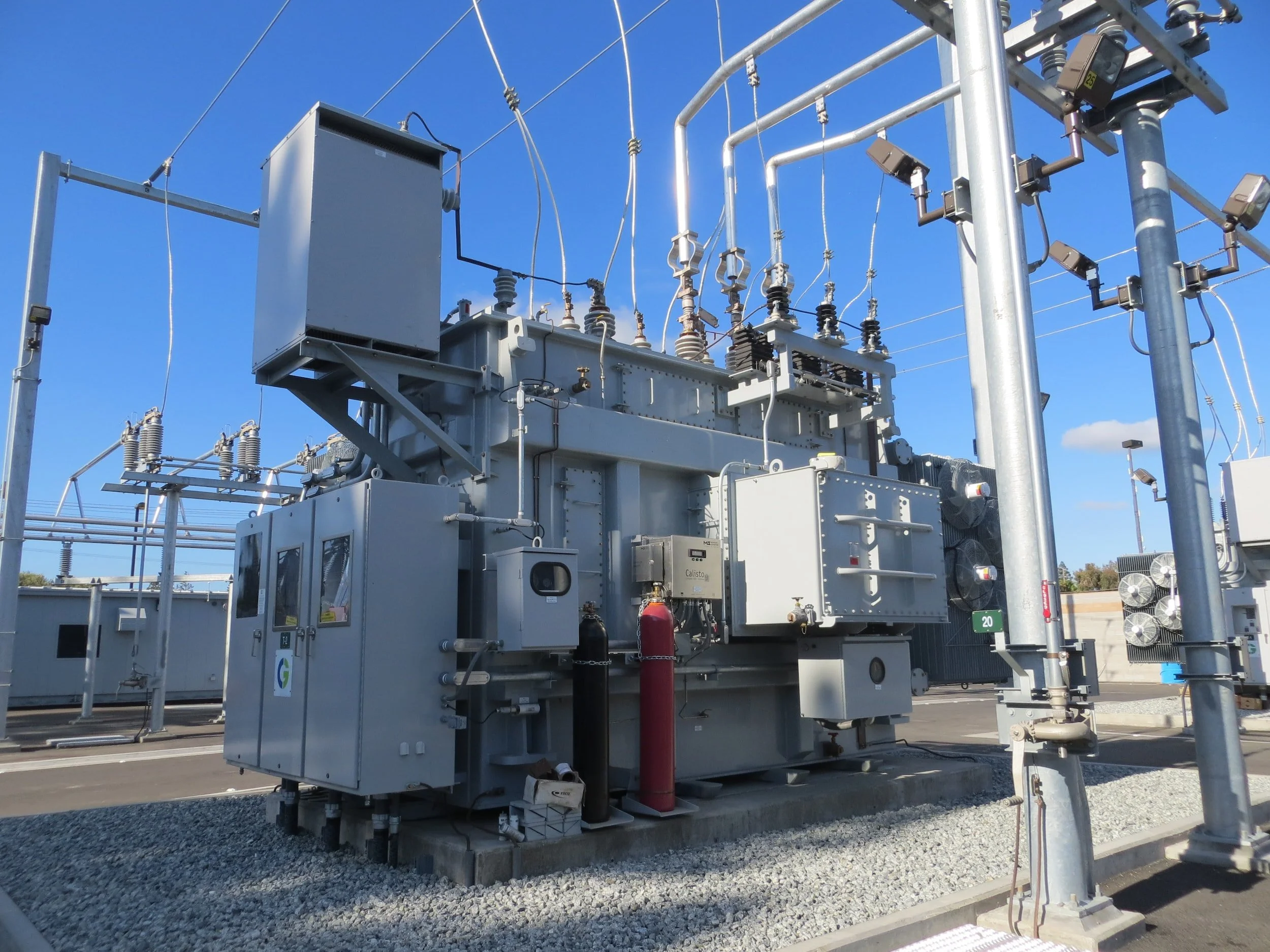
What is Cogeneration of Energy?
Cogeneration is a term used to describe combined energy production, specifically combined heat and power (CHP). It is a strategic approach to operations that can be applied to a wide variety of industries. Cogeneration energy production can maximize energy efficiency and create long-term cost savings. Read more at THERMA >>
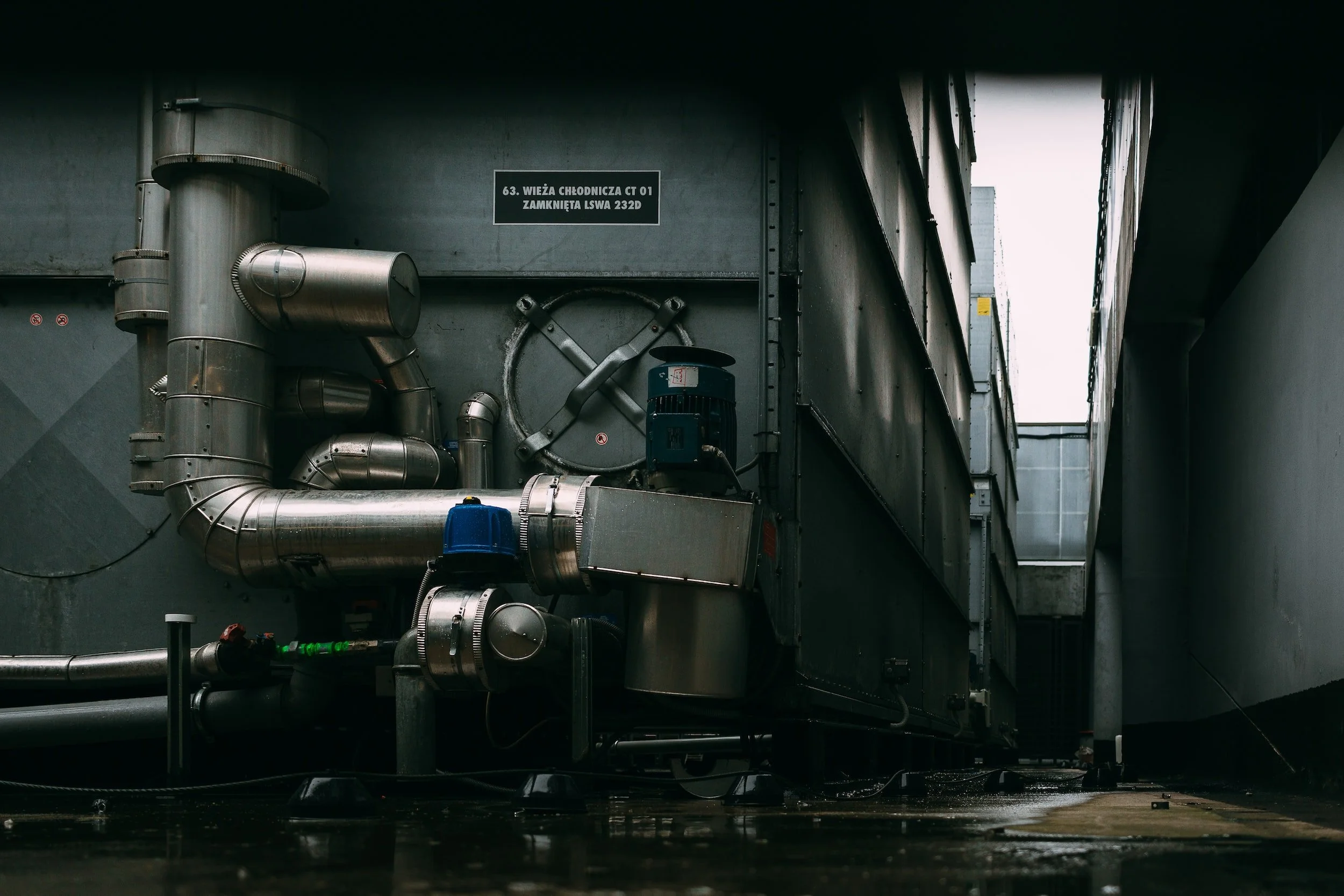
Geothermal Heating and Cooling: Sustainable Energy for your Facility
While renewable energy holds appeal to homeowners and businesses, it can be daunting to understand how different systems work and what benefits they provide. Geothermal energy has been harnessed by humans for thousands of years, and the technology that utilizes geothermal today is ever-evolving. In this article we’ll take a look at geothermal heating and cooling: what it is, how it works and when it makes the most sense to choose geothermal as a primary HVAC system. Read more at THERMA >>

Maintenance Tips to Optimize Semiconductor Fabrication Equipment
The U.S holds 48% of the $340 billion semiconductor industry global market. The semiconductor fabrication market is highly competitive with global annual sales expected to exceed $600 billion in 2022. The current volatility of global supply chains and the increasing market demand make optimization of semiconductor fabrication equipment a top business priority. Read more at THERMA >>